Why a foundation exists to keep small-scale gold mining alive — by getting the mercury out.
For hundreds of interior villages in Suriname and neighboring Guyana, artisanal gold mining isn't a hobby or a choice — it's the economy. It feeds families, funds schooling, and holds remote communities together. We exist to protect that way of life from the one thing that most threatens it: mercury, and the well-meaning bans that will follow it.
To capture gold, miners bind it with mercury and burn the metal off — releasing toxic vapor and washing the rest into the rivers, where it accumulates in fish and then in people. Artisanal and small-scale gold mining is the single largest source of human-caused mercury pollution on Earth.
Tens of thousands of Maroon and Indigenous families depend on this mining for their livelihood. A sudden ban — with no workable alternative — wouldn't clean the rivers. It would collapse the interior economy and scatter the very cultures we mean to protect.
Our answer is the third way: mercury-free methods that recover more gold, not less. When the clean process pays better, miners adopt it willingly — and health and heritage survive together.
With Suriname's first national action plan on artisanal mining now in motion, alternatives are no longer optional — they're the difference between a managed transition and an economic shock.
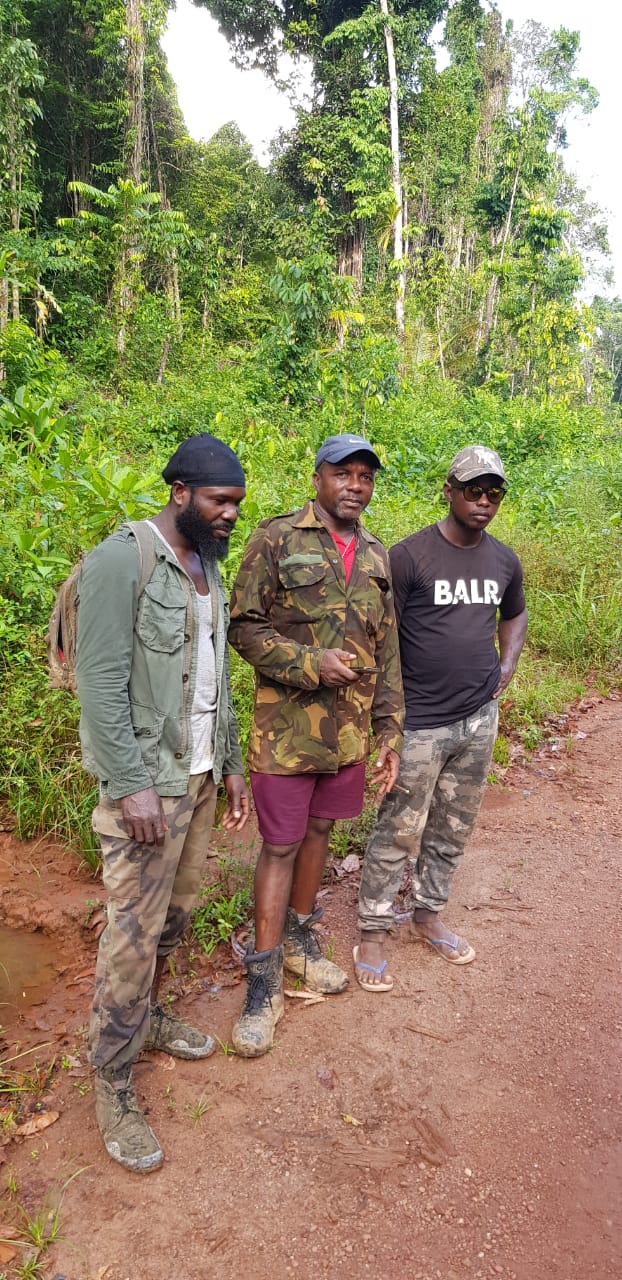
We don't lecture communities — we equip them. We work alongside women and men miners so they become the practitioners and educators of mercury-free gold concentration, carbon-free electricity, and land reclamation in their own villages.
Change spreads fastest when the person demonstrating it is one of your own — holding more gold than the old way ever produced.
Your support puts clean-recovery equipment, training, and renewable power into the hands of the miners who need it most.