Two countries, one shared river system — and a network of remote mining communities learning a cleaner way.
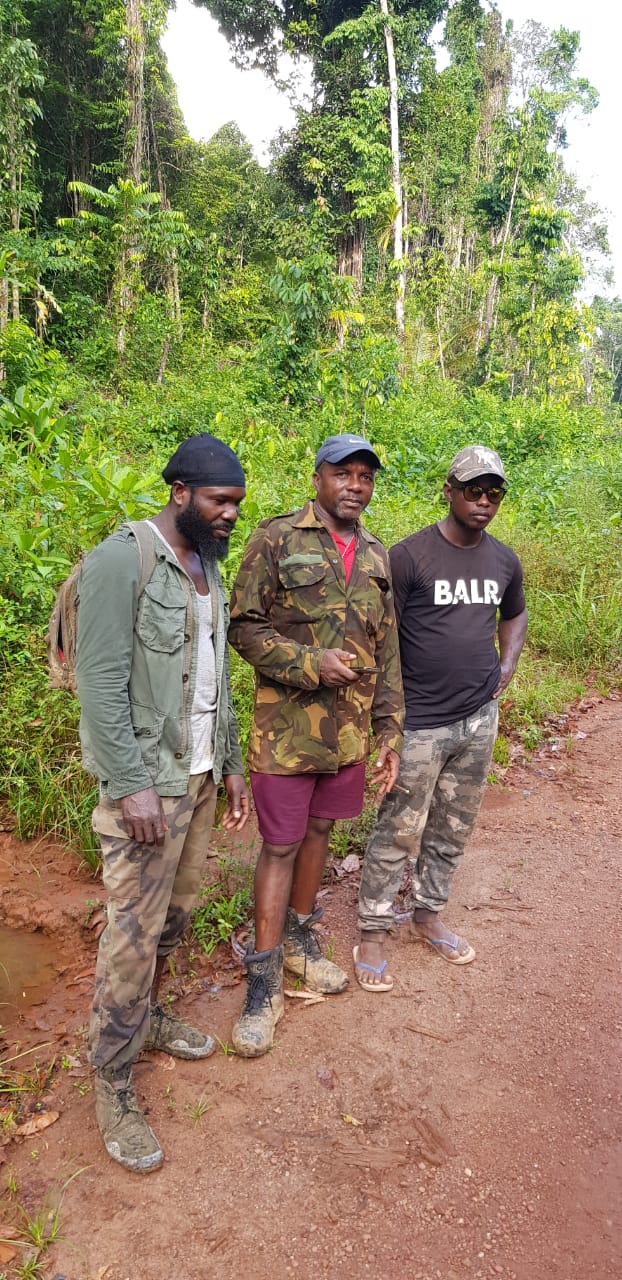
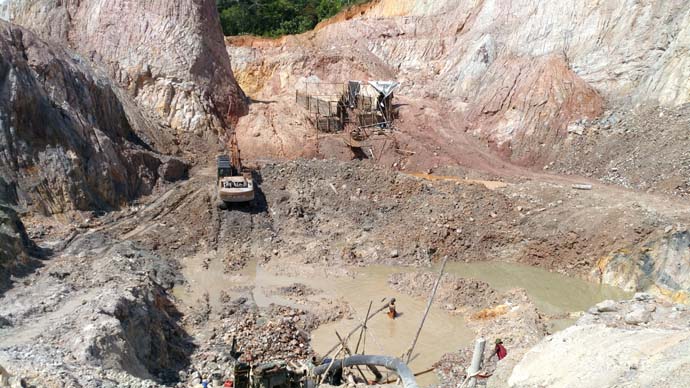
Our work began in June 2018 in a small, isolated mining community in the Pakila region of northeastern Suriname — a place defined by its remoteness, and by a warm, engaged community of miners who welcomed the effort.
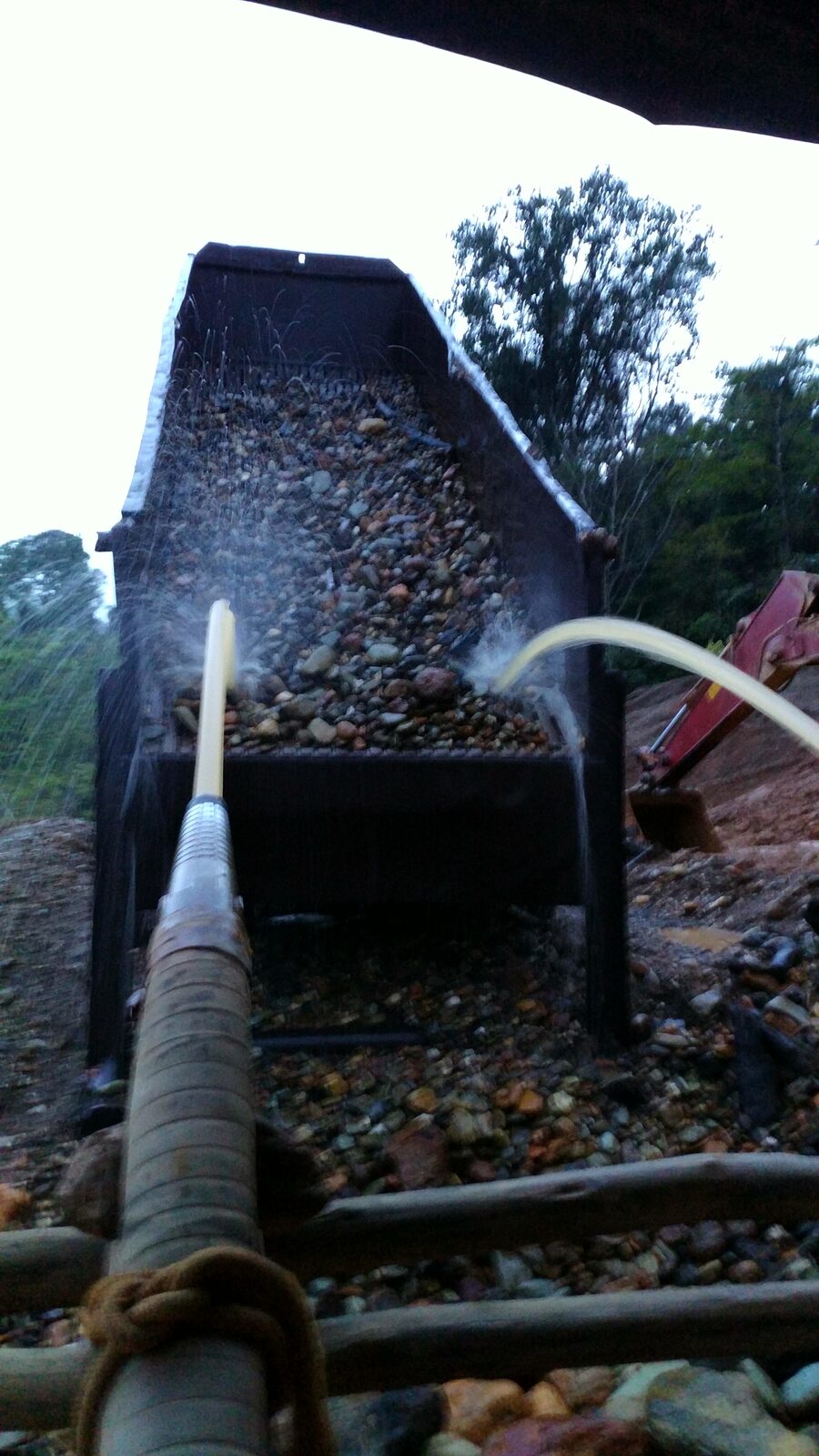
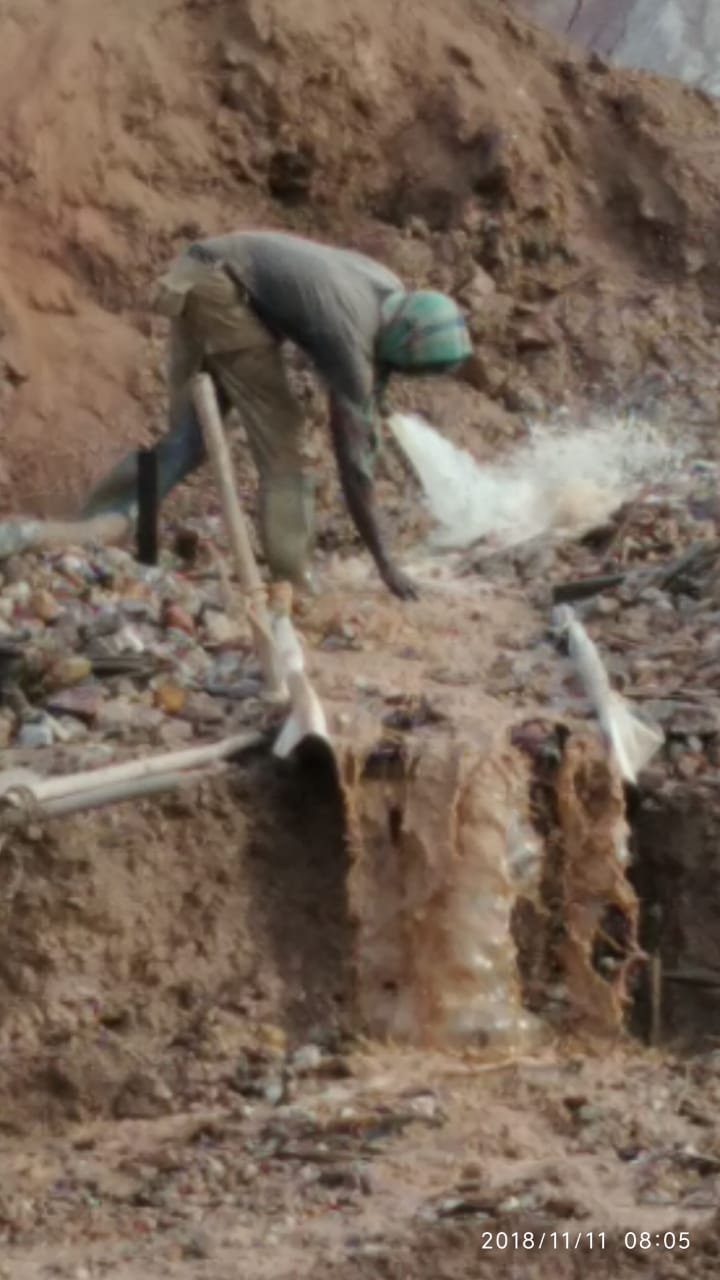
Mercury is banned across Suriname, but no enforcement reaches the interior villages, so prohibition alone changes nothing on the ground. We introduced the Clarkson rod mill and gravity-based classification, and we win miners over the only way that lasts here: by showing them the gold their legacy equipment leaves behind.
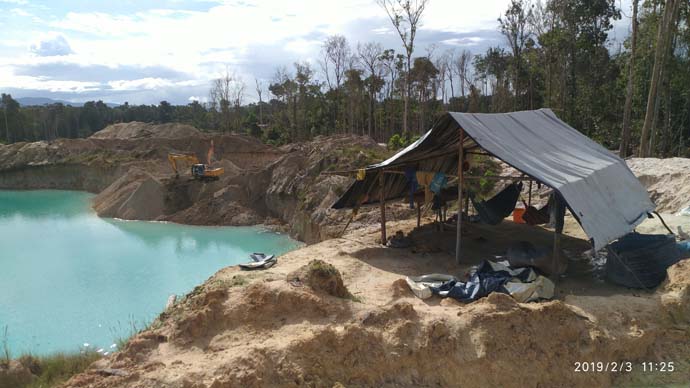
Mahdia, in Guyana's Potaro-Siparuni region, is ideal for this work: a dense mining community with strong Indigenous and local culture, close to town, and beside a mine site in St. Elizabeth already rehabilitated by the Guyana Geology & Mines Commission.
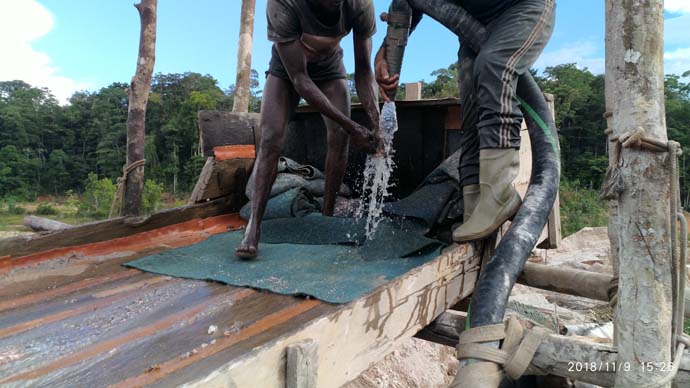
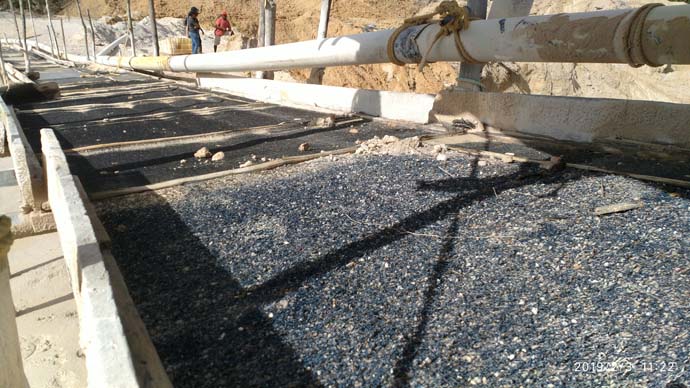
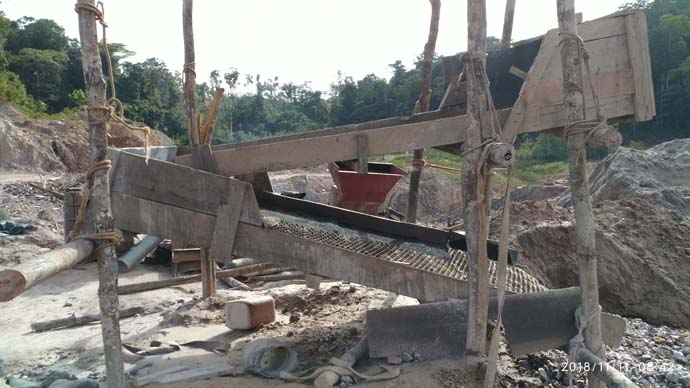
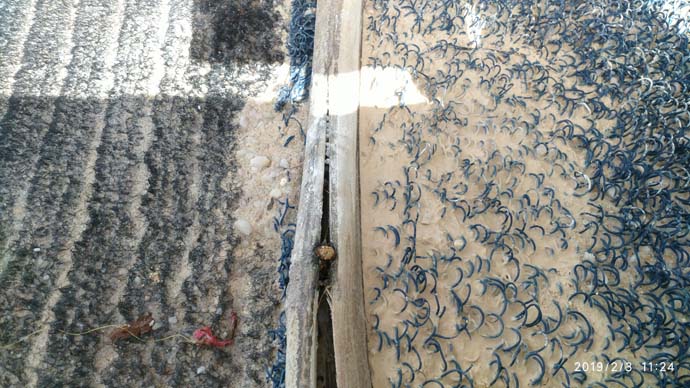
Here we retrofit legacy hardwood sluices, teach gravity separation to cut fine-gold losses, and ran a gold-shop program on mercury-vapor recovery — where only one of eleven shops was compliant when we began.
Potaro-Siparuni · Region 8 · approx. 5°16′N, 59°09′W
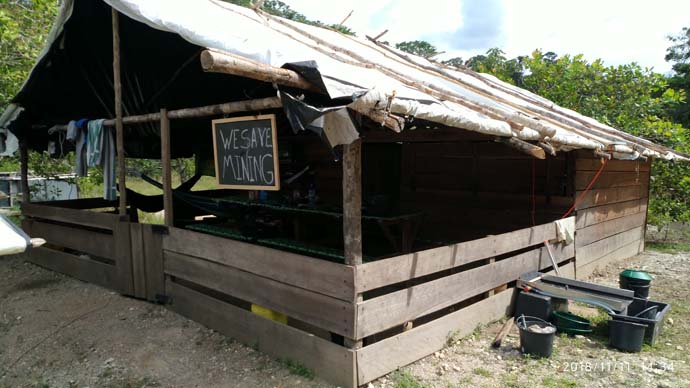
There are hundreds of interior mining communities. With support, our model travels to them.